Why the Hepatitis B Vaccine Is Essential for Protecting Children in the U.S.
A clear guide on why the Hepatitis B vaccine is important for children including how it works, why early doses matter, and its role in long-term health protection.
 Rita Okeke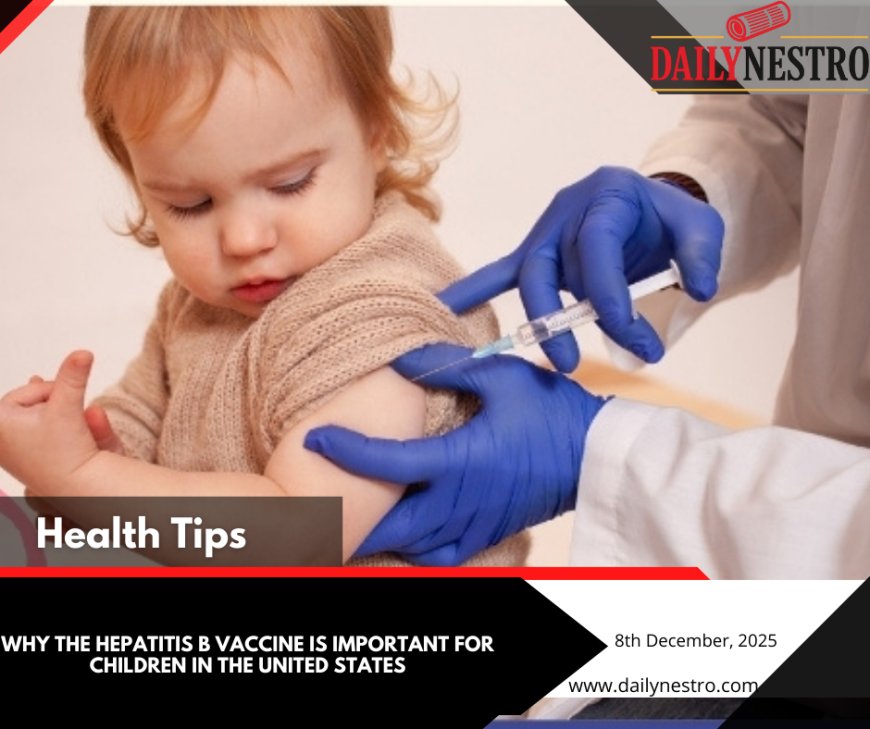
Why the Hepatitis B Vaccine Is Important for Children in the United States
Protecting children from disease is one of the biggest responsibilities parents face. While most people are familiar with common childhood illnesses, fewer realize how serious certain viral infections can be especially those that affect the liver. One of the most important preventable illnesses is Hepatitis B. Because this virus can cause long-term liver problems, the Hepatitis B vaccine has become a standard part of childhood healthcare in the United States.
If you’re a parent, guardian, or caregiver, understanding why this vaccine matters can help you make informed decisions about your child’s health. Below is a clear and easy explanation of what Hepatitis B is, how it spreads, and why early vaccination is such an important protective step.
What Is Hepatitis B?
Hepatitis B is a viral infection that targets the liver. People who carry the virus may experience inflammation, scarring, or long-term liver damage. In many cases, Hepatitis B does not cause obvious symptoms at first, which means a person can spread it without knowing they are infected.
The virus spreads through blood or certain body fluids. While adults most commonly get it through specific exposures, children can become infected in ways that people often overlook. A child can be exposed through microscopic blood contact, shared personal items, or from an infected mother during birth. Because children’s immune systems are still developing, they are more likely to carry the virus long-term if they become infected early in life.
Why Hepatitis B Can Be More Serious for Children
One of the most important facts about Hepatitis B is that infants and young children face a much higher risk of developing chronic infection. An adult who gets Hepatitis B has a strong chance of recovering fully. A baby or child, however, may carry the virus for life.
Chronic Hepatitis B can lead to:
Ongoing liver inflammation
Liver scarring (cirrhosis)
Liver failure
A higher risk of liver cancer later in life Because the consequences can be lifelong, preventing infection early is one of the most effective ways to protect children’s future health.
How the Hepatitis B Vaccine Helps
The Hepatitis B vaccine is one of the earliest vaccines children receive in the United States. It is given in a series of three shots over the first year of life. This schedule helps build strong, long-lasting protection that often extends into adulthood.
Here’s why the vaccine is recommended for all infants:
1. It protects children when they are most vulnerable
The younger the child at the time of infection, the more likely the virus will stay in the body. Vaccinating in early infancy offers protection during this high-risk period.
2. It reduces the chance of unknown exposure
Because Hepatitis B can be present without symptoms, a parent, caregiver, or family member may not realize they carry the virus. The vaccine provides an extra layer of safety that does not depend on others knowing their status.
3. It helps prevent serious long-term complications
Hepatitis B is one of the few viruses strongly linked to liver cancer. By preventing infection in childhood, the vaccine helps reduce this risk as children grow older.
4. It supports public health and community protection
High vaccination rates help reduce the spread of the virus in the wider community. This protects babies, people with weakened immune systems, and individuals who cannot be vaccinated for medical reasons.
Why the Birth Dose Matters
One part of the Hepatitis B vaccination plan is giving the first dose shortly after birth. This may feel surprising to new parents, but there are important reasons behind it.
Protection from possible exposure during birth
Some mothers may carry Hepatitis B without knowing it. The birth dose helps protect the newborn immediately.
A safeguard against missed screening
Even with prenatal testing, mistakes can happen or infections can occur late in pregnancy. The vaccine acts as a safety net.
Household protection
Babies are naturally curious and often experience small cuts or scrapes. A tiny amount of infected blood from a caregiver or family member even if unnoticed can transmit the virus. Early vaccination reduces this risk.
It provides rapid and reliable protection
The birth dose begins teaching the immune system how to defend against the virus from the very start of life.
Is the Hepatitis B Vaccine Safe?
The Hepatitis B vaccine has been used safely in the United States for more than three decades. Millions of children receive it every year. Like other routine childhood vaccines, it is monitored closely by health experts to ensure safety and effectiveness.Common reactions, if any, are mild and temporary, such as slight soreness at the injection site. Serious reactions are extremely rare.
How the Vaccine Is Given
The vaccine is usually given in three doses:
1. First dose: At birth
2. Second dose: At 1–2 months
3. Third dose: At 6–18 months
This schedule helps the body build and maintain strong immunity. In most cases, a full series provides long-lasting protection.
Why It Matters for Parents and Families
Choosing vaccination for a child is ultimately about giving them the best possible start in life. Hepatitis B is preventable, but only through vaccination. Without it, infants and children can face lifelong health challenges that could have been avoided.By staying informed and following recommended protections, parents take an active role in safeguarding their children’s well-being now and in the future.
The Hepatitis B vaccine is a simple, effective way to protect children from a virus that can cause serious long-term liver problems. With a strong safety record and decades of successful use, it remains a key part of pediatric health in the United States.
For families, the decision to vaccinate helps ensure children grow up healthier, safer, and better protected. Understanding the importance of this vaccine empowers parents to make confident, informed choices for their child’s future.