“Top Calcium-Rich Foods for Strong Bones and Better Health”
Learn which calcium-rich foods help build strong bones and improve overall health. Includes dairy, greens, fish, fortified foods, nuts, and more.
 Rita Okeke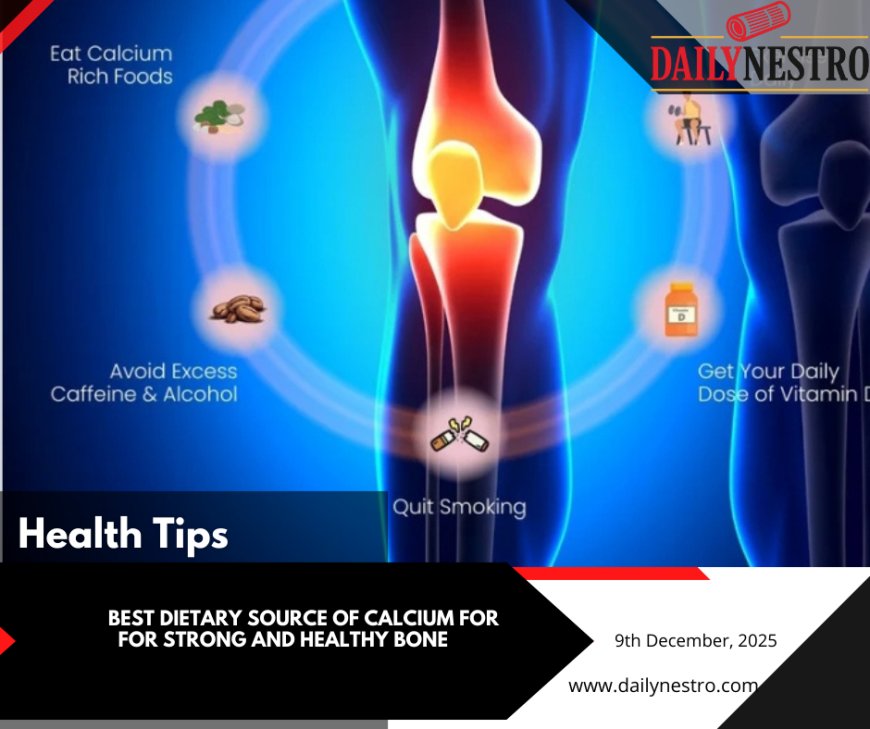
Best Dietary Sources of Calcium for Strong and Healthy Bones
Calcium is one of the most important minerals our bodies need every single day. Most people associate calcium with strong bones and that’s correct but it also supports healthy teeth, helps muscles contract, and plays a key role in nerve function. Since the body cannot produce calcium on its own, we must get it from the foods we eat.
Whether you’re trying to prevent osteoporosis, support your child’s growth, or simply maintain strong bones as you age, choosing the right calcium-rich foods is essential. Below are the best dietary sources of calcium that you can easily include in your daily meals.
1. Dairy Products
Dairy foods are among the richest natural sources of calcium, and the body absorbs this form of calcium very well. That’s why dairy remains a top recommendation by nutrition experts.
Examples of calcium-rich dairy foods
Milk: One cup contains roughly 300 mg of calcium.
Yogurt: Offers 250–400 mg per serving depending on the type.
Cheese: Hard cheeses like Parmesan and Cheddar are especially high in calcium.
Why they’re beneficial:
Dairy foods not only provide calcium but also supply protein and phosphorus, which work together to strengthen bone structure. Many milk and yogurt products are also fortified with vitamin D, a nutrient that helps the body absorb calcium more effectively.
2. Leafy Green Vegetables
If you prefer plant-based options or simply want to diversify your meals, leafy greens are a fantastic alternative. These vegetables contain significant amounts of calcium along with other essential nutrients.
Top leafy greens with calcium
Kale
Bok choy
Collard greens
Mustard greens
Broccoli
Spinach also contains calcium, but its high oxalate content makes it harder for the body to absorb.
Extra benefits:
Leafy greens are also rich in vitamin K and magnesium two nutrients that work alongside calcium to support bone density.
3. Fish With Edible Bones
Seafood lovers have an advantage! Certain fish offer a natural calcium boost, especially when the soft, edible bones are consumed.
Best choices
Canned sardines
Canned salmon
These fish not only supply calcium but also deliver omega-3 fatty acids, which help reduce inflammation and support heart health. This makes them a nutritious addition to regular meals.
4. Fortified Foods
Fortified foods are excellent for people who may not consume enough dairy or leafy greens. They are everyday products that have added calcium during processing.
Common calcium-fortified foods
Plant-based milks such as soy, almond, oat, or coconut milk
Breakfast cereals
Fortified orange juice
Tofu (especially when prepared with calcium sulfate)
Many fortified foods contain similar or even higher calcium levels than dairy, making them a convenient and accessible option for all types of diets.
5. Nuts and Seeds
Small but powerful, nuts and seeds contribute a healthy amount of calcium along with good fats and fiber.
Nuts and seeds rich in calcium
Almonds
Chia seeds
Sesame seeds
Tahini (sesame paste)
They are perfect for snacking or adding to salads, smoothies, and baked dishes.
6. Beans and Lentils
Legumes are often overlooked, but they offer a steady dose of calcium along with protein, fiber, and several bone-building minerals.
Good sources include
White beans
Black-eyed peas
Chickpeas
Lentils
These foods are especially valuable for people following vegetarian or vegan diets.
7. Calcium-Rich Fruits
Although fruits do not typically contain high levels of calcium, some do contribute a small but helpful amount to your daily intake.
Fruits with calcium
Oranges
Figs
Kiwis
They also provide vitamin C, which helps support collagen the protein framework of bones.
How to Boost Your Calcium Absorption
It’s not just about eating calcium-rich foods; you also need your body to absorb the mineral effectively. Here are some simple tips:
Get enough vitamin D, either through sunlight or fortified foods.
Limit excessive salt and caffeine, which can reduce calcium levels.
Avoid drinking too much soda, especially colas, as they may affect bone density.
Spread your calcium intake throughout the day your body absorbs smaller portions better.Maintain balanced protein intake, which supports bone repair and growth.
Finally,Strong bones are built over a lifetime, not just in childhood. By including a variety of calcium-rich foods such as dairy products, leafy greens, nuts, seeds, fish, and fortified foods you can easily meet your daily calcium needs and protect your bone health for years to come.The key is to be consistent. A small effort each day, like adding yogurt to breakfast or tossing almonds onto a salad, can make a big difference over time.