The Role of Diet in Preventing Chronic Diseases: A Guide to Long-Term Health
Learn how a healthy diet helps prevent chronic diseases like heart disease, diabetes, obesity, and cancer while supporting long-term health.
 Rita Okeke
Role of Diet in Preventing Chronic Diseases
Chronic diseases have become one of the biggest health challenges of the modern world. Conditions such as heart disease, diabetes, obesity, cancer, and hypertension affect millions of people globally and continue to rise each year. While genetics and environmental factors play a role, lifestyle choices especially diet are among the most significant contributors to the development and prevention of chronic diseases.
A healthy diet is not just about maintaining a desirable body weight; it is a powerful tool that supports long-term health, prevents illness, and improves quality of life. The foods we eat daily influence how our body functions, how well our immune system works, and how effectively we can protect ourselves from long-term diseases.
Understanding Chronic Diseases
Chronic diseases are conditions that tend to be long-lasting and often require ongoing management rather than short-term treatment. Unlike infectious diseases, chronic illnesses usually develop gradually due to prolonged exposure to unhealthy lifestyle habits such as poor nutrition, lack of physical activity, smoking, and stress.Many chronic diseases share common risk factors, including inflammation, insulin resistance, high blood pressure, and excessive body fat. Diet plays a critical role in either increasing or reducing these risks. Choosing the right foods can help regulate blood sugar levels, reduce inflammation, improve heart health, and support healthy body weight.
How Diet Influences Overall Health
Food provides the body with essential nutrients such as carbohydrates, proteins, fats, vitamins, minerals, and fiber. When these nutrients are consumed in proper balance, they support vital functions like metabolism, hormone regulation, immune response, and tissue repair.
On the other hand, diets high in processed foods, refined sugars, unhealthy fats, and excessive salt can disrupt these processes. Over time, poor dietary habits can damage organs, weaken the immune system, and create conditions that allow chronic diseases to develop.A nutrient-rich diet helps the body function efficiently and strengthens its ability to prevent illness naturally.
Role of Diet in Preventing Heart Disease
Heart disease remains one of the leading causes of death worldwide. Unhealthy diets high in saturated fats, trans fats, cholesterol, and sodium significantly increase the risk of high blood pressure, clogged arteries, and heart attacks.A heart-healthy diet focuses on whole foods such as fruits, vegetables, whole grains, legumes, nuts, and seeds. These foods are rich in fiber, antioxidants, and healthy fats that help lower bad cholesterol levels and improve blood circulation.
Replacing unhealthy fats with healthier options like olive oil, avocados, and fatty fish such as salmon can reduce inflammation and support cardiovascular health. Reducing salt intake also plays a key role in controlling blood pressure and protecting the heart.
Diet and the Prevention of Type 2 Diabetes
Type 2 diabetes is closely linked to poor diet and lifestyle choices. Diets high in refined carbohydrates, sugary drinks, and processed snacks can cause frequent spikes in blood sugar levels. Over time, this leads to insulin resistance, which is a major cause of diabetes.
A balanced diet rich in whole grains, vegetables, fruits, lean proteins, and healthy fats helps maintain stable blood sugar levels. Fiber is particularly important because it slows down the absorption of sugar into the bloodstream, reducing sudden glucose spikes.Choosing complex carbohydrates over refined ones, limiting added sugars, and maintaining regular meal patterns can significantly lower the risk of developing type 2 diabetes.
Preventing Obesity Through Healthy Eating
Obesity is a major risk factor for many chronic diseases, including heart disease, diabetes, joint problems, and certain cancers. It often results from long-term consumption of calorie-dense but nutrient-poor foods combined with a sedentary lifestyle.
a.Healthy eating habits play a crucial role in maintaining a healthy body weight. Diets that emphasize portion control, whole foods, and balanced meals help regulate appetite and metabolism. Foods rich in protein and fiber promote fullness and reduce overeating.
b.Limiting sugary beverages, fast food, and processed snacks while increasing water intake and home-cooked meals can make a significant difference in preventing obesity.
Diet and Cancer Prevention
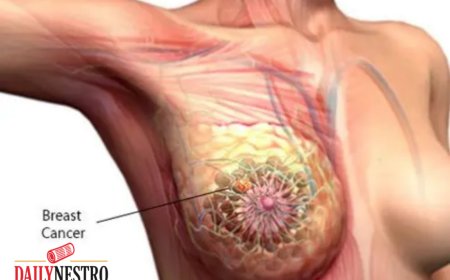
Although no diet can guarantee complete protection from cancer, research shows that healthy eating patterns can lower the risk of developing several types of cancer. Diets high in fruits, vegetables, and whole grains provide essential nutrients and antioxidants that protect cells from damage.Certain foods contain natural compounds known as phytochemicals, which help reduce inflammation and neutralize harmful free radicals. Leafy greens, berries, cruciferous vegetables like broccoli and cauliflower, and legumes are particularly beneficial.
At the same time, limiting processed meats, excessive red meat, alcohol, and ultra-processed foods can help reduce cancer risk. Maintaining a healthy body weight through proper diet also plays an important role in cancer prevention.
Reducing Chronic Inflammation Through Diet
Chronic inflammation is a common underlying factor in many long-term diseases, including arthritis, heart disease, diabetes, and autoimmune conditions. Poor dietary choices often trigger inflammation, while healthy foods help control it.
An anti-inflammatory diet includes fruits, vegetables, whole grains, fatty fish, nuts, seeds, and natural spices such as turmeric and ginger. Omega-3 fatty acids, found in fish and flaxseeds, are particularly effective in reducing inflammation.
Avoiding excessive sugar, refined carbohydrates, and fried foods can further help prevent chronic inflammation and protect overall health.
Importance of Micronutrients in Disease Prevention
Vitamins and minerals play a vital role in maintaining bodily functions and preventing disease. Nutrients such as vitamin D, vitamin C, iron, calcium, and zinc support immune health, bone strength, and metabolic processes.
Deficiencies in essential micronutrients can weaken the immune system and increase susceptibility to chronic conditions. A diverse diet that includes a wide range of fruits, vegetables, dairy or alternatives, lean proteins, and whole grains helps ensure adequate nutrient intake.
Long-Term Dietary Habits and Lifestyle Choices
The benefits of a healthy diet are most effective when good eating habits are maintained consistently over time. Short-term diets or extreme food restrictions may offer temporary results but often fail to provide long-term health benefits.
Sustainable dietary habits, combined with regular physical activity, adequate sleep, and stress management, create a strong foundation for preventing chronic diseases. Making small, gradual changes such as adding more vegetables to meals or reducing sugar intake can lead to lasting improvements in health.
Then in conclusion,Diet plays a fundamental role in preventing chronic diseases and promoting long-term health. The foods we choose every day directly influence our risk of developing conditions such as heart disease, diabetes, obesity, and cancer. A balanced diet rich in whole, nutrient-dense foods helps regulate body functions, reduce inflammation, and support a healthy immune system.
ALSO READ:Eating What Works for You: The Rise of Personalized Nutrition in America
Adopting healthy eating habits is one of the most effective and accessible ways to protect against chronic diseases. By making informed dietary choices and maintaining consistency, individuals can improve their quality of life, enhance longevity, and reduce the burden of chronic illness.