How Eating High-Fat Foods for Two Days Can Harm Your Gut Without You Knowing
Eating high-fat foods for just two days can begin to weaken the gut’s protective lining and disrupt key immune cells, even without visible symptoms like weight gain. Researchers found that a high-fat diet reduces levels of IL-22, a protein that helps keep the gut barrier strong and prevents harmful bacteria from entering the body.
 Rita Okeke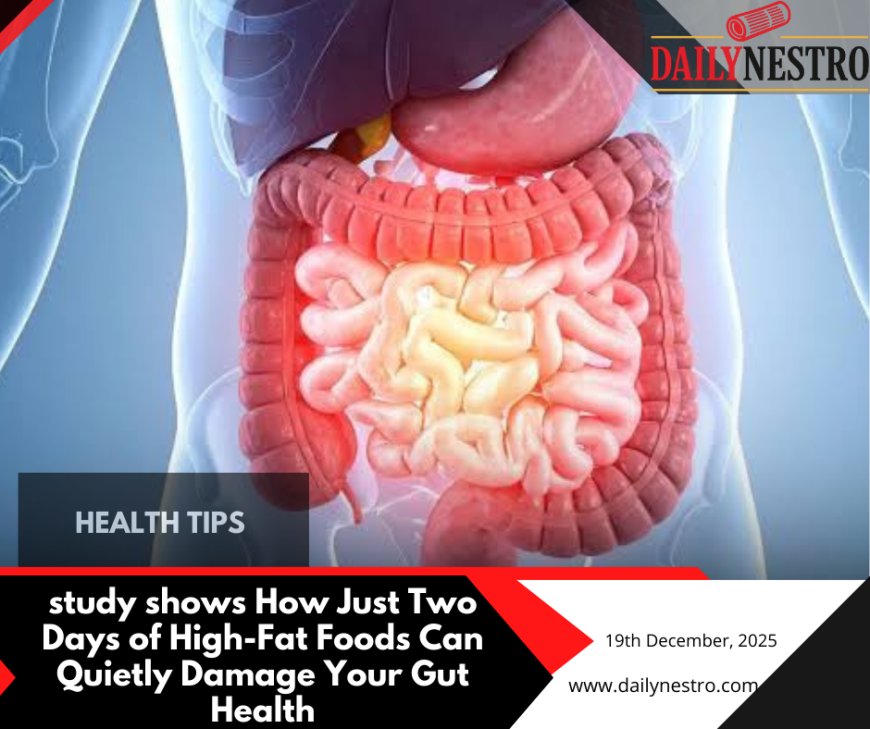
How Just Two Days of High-Fat Foods Can Quietly Damage Your Gut Health
Fast food is often tempting. A burger, fries, or pizza can feel like an easy reward after a long day. But new research suggests that even a short period of eating high-fat meals may begin to harm your gut much sooner than most people realize without any obvious warning signs.
A recent study conducted by researchers at the Walter and Eliza Hall Institute in Melbourne has found that consuming a high-fat diet for as little as two days can weaken the gut’s protective lining and disrupt important immune defenses. What makes this finding especially concerning is that the damage happens silently, long before weight gain or visible health problems appear.
What Happens Inside the Gut After High-Fat Meals
The gut is more than just a digestive system. It plays a crucial role in immunity, inflammation control, and overall health. A healthy gut lining acts as a barrier, preventing harmful bacteria and toxins from entering the bloodstream.
In the study, scientists fed mice a diet high in fats, similar to what many people consume through fast food and processed meals. Within 48 hours, the gut lining of these mice began to weaken. This breakdown made it easier for unwanted substances to pass through the intestinal wall, a condition often referred to as a “leaky gut.”
What’s alarming is that the mice did not show any outward signs of illness. They didn’t gain weight, and their behavior appeared normal. Yet beneath the surface, inflammation was already developing.
Immune Cells Stop Doing Their Job
The researchers also discovered that high-fat meals interfered with the function of specific immune cells known as ILC3s (Innate Lymphoid Cells type 3). These cells normally act as guardians of the gut, helping to control bacteria and maintain a strong intestinal barrier.
After just two days on a high-fat diet, these immune cells stopped working effectively. When ILC3s fail to do their job, harmful bacteria can multiply more easily, increasing the risk of long-term gut inflammation and digestive disorders.
The Role of IL-22: A Key Protective Protein
One of the most important findings from the study involved a protein called IL-22. This protein helps repair and maintain the gut lining, ensuring it stays sealed and strong.The researchers found that high-fat diets caused a sharp drop in IL-22 levels. Without enough IL-22, the gut barrier becomes weaker and more permeable. This allows toxins and bacteria to leak into the body, triggering low-level inflammation that can persist for years.Chronic inflammation has been linked to several serious health conditions, including inflammatory bowel disease, metabolic disorders, and weakened immune function.
Why the Damage Often Goes Unnoticed
One of the biggest dangers highlighted by the study is how quietly this process happens. Because there are no immediate symptoms like pain or weight gain, many people assume their eating habits are harmless.
However, researchers warn that this “hidden inflammation” can slowly build over time. By the time symptoms appear, the damage may already be significant. This helps explain why gut-related conditions often seem to develop suddenly, even though the underlying problem may have been present for years.
Is There Any Good News?
Yes. The study also offered a hopeful insight. When scientists artificially increased IL-22 levels in the mice, the gut lining began to heal, and immune function improved. This suggests that future treatments could potentially target IL-22 to repair gut damage caused by poor diets.While this research is still in its early stages and primarily based on animal studies, it opens the door to new therapies focused on restoring gut health rather than only treating symptoms.
What This Means for Everyday Eating Habits
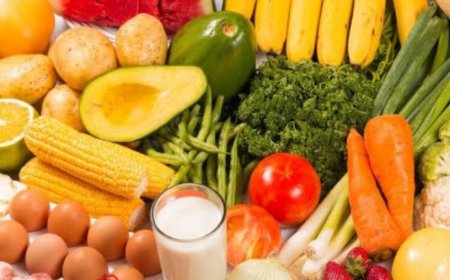
Health experts emphasize that enjoying high-fat foods occasionally is unlikely to cause serious harm. The real risk comes from regular and repeated consumption of fast food and heavily processed meals.Small dietary choices made consistently over time can either protect or weaken gut health. Diets rich in fiber, vegetables, fruits, whole grains, and healthy fats help support beneficial gut bacteria and strengthen the intestinal barrier.Simple habits such as cooking at home more often, limiting processed foods, and balancing indulgent meals with nutritious options can make a meaningful difference.
Listening to Your Gut Before It Speaks
This study serves as a reminder that the body often reacts to unhealthy habits long before symptoms show up. Just because you feel fine doesn’t always mean everything is functioning as it should.
Then in conclusion,The next time you’re deciding between another fast-food meal or a more balanced option, remember that your gut is working quietly every day to protect your health. Making mindful food choices today could help prevent inflammation and digestive problems in the future.In the long run, your gut and your overall well-being may thank you for it.