How to Start Exercising: Simple Steps for Complete Beginners
“New to exercise? This beginner-friendly guide explains how to start exercising safely, choose enjoyable workouts, and build a consistent fitness routine.”
 Rita Okeke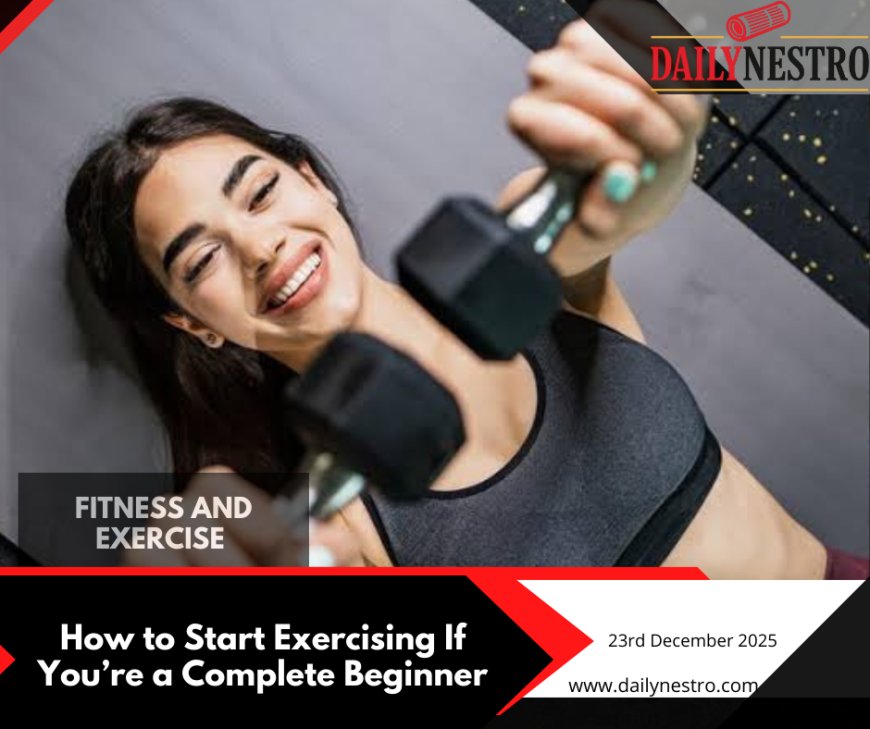
How to Start Exercising If You’re a Complete Beginner
Starting an exercise routine for the first time can feel confusing and even intimidating. Many beginners worry about where to start, what exercises to do, or whether they are doing things correctly. The truth is, everyone begins somewhere, and you don’t need fancy equipment or intense workouts to get started. With a simple and realistic approach, exercise can become an enjoyable and healthy part of your daily life.
This guide is designed to help complete beginners start exercising safely, confidently, and consistently.
Understand Your Reason for Exercising
Before you begin, it’s important to understand why you want to exercise. Your reason doesn’t need to be dramatic or focused on appearance. Many people start exercising to improve their health, feel more energetic, reduce stress, or simply move their bodies more.
Having a clear reason helps you stay motivated, especially on days when you don’t feel like working out. Start with small, achievable goals such as being more active, improving flexibility, or developing a healthy routine. As you progress, your goals can naturally evolve.
Choose Simple and Enjoyable Activities
One common mistake beginners make is forcing themselves into workouts they don’t enjoy. Exercise doesn’t have to be complicated or extreme to be effective. The best form of exercise is one you enjoy and can stick with.Beginner-friendly activities include walking, cycling, dancing, light stretching, yoga, or basic bodyweight exercises. These activities are easy on the body and can be done at home or outdoors. When you enjoy what you’re doing, exercise feels less like a chore and more like self-care.
1.Start Slow and Be Patient
Many beginners feel motivated at the start and try to do too much too quickly. This often leads to soreness, fatigue, or burnout. Your body needs time to adjust to new movements and routines.
Start with short sessions of 10 to 20 minutes, three to four times a week. Focus on gentle movements and low-intensity exercises. As your body becomes stronger and more comfortable, you can gradually increase the duration and intensity of your workouts. Progress should be steady, not rushed.
2.Always Warm Up and Cool Down
Warming up before exercise and cooling down afterward are important steps that many beginners overlook. A proper warm-up helps prepare your muscles and joints, reducing the risk of injury. Simple movements like walking, arm swings, or light stretches are enough to get your body ready.
Cooling down after exercise helps your body return to a resting state. Slow movements, gentle stretching, and deep breathing can help reduce muscle stiffness and promote relaxation.
3.Focus on Proper Technique
Doing exercises with proper form is more important than doing many repetitions. Good technique helps prevent injuries and ensures that the right muscles are being used.
Move slowly, stay controlled, and pay attention to how your body feels. If something feels painful or uncomfortable, stop and adjust. Beginners can benefit from following simple workout guides or beginner-friendly exercise videos that explain movements clearly.
4.Build Consistency, Not Perfection
You don’t need to exercise every day to see results. Consistency over time matters more than perfection. It’s normal to miss a workout occasionally, and it doesn’t mean you’ve failed.
Instead of feeling discouraged, focus on getting back into your routine the next day. Even small amounts of movement add up over time. A regular habit of exercise, no matter how simple, is far more effective than occasional intense workouts.
5.Don’t Ignore Rest and Recovery
Rest is an essential part of any fitness routine, especially for beginners. Your muscles need time to recover and grow stronger. Make sure you get enough sleep, stay hydrated, and allow rest days when needed.Feeling slightly sore is normal, but extreme pain or exhaustion is a sign that you need to slow down. Listening to your body helps you avoid injuries and stay consistent in the long run.
ALSO READ:Do You Know the Benefits of Lifting Weights for Women?
Then in conclusion,Starting to exercise as a complete beginner doesn’t require perfection, expensive equipment, or extreme effort. It simply requires a willingness to move, patience with yourself, and consistency over time. By starting slow, choosing enjoyable activities, and focusing on healthy habits, you can build a fitness routine that supports your overall well-being.Remember, every step counts. Starting small today can lead to lasting health benefits in the future.