A Sustainable Guide to Fat Loss Without Starving Yourself
Learn how to lose fat without extreme calorie cutting by using smart nutrition, strength training, daily movement, sleep, and stress management.
 Rita Okeke
How to Lose Fat Without Cutting Calories Too Low
When most people think about fat loss, the first thing that comes to mind is eating less. A lot less. Meals get smaller, favorite foods disappear, and hunger becomes a constant companion. While this approach may lead to short-term weight loss, it often fails in the long run.
Cutting calories too low can slow progress, drain energy, and make fat loss feel impossible to maintain. The truth is, losing fat does not require extreme calorie restriction. In fact, a more balanced and sustainable approach often leads to better results.
This article explains how to lose fat effectively without starving yourself, by focusing on smart nutrition, exercise, recovery, and habits that support long-term success.
Why Extremely Low Calories Are a Problem
Eating fewer calories than your body needs will result in weight loss, but when calories drop too low, the body adapts in ways that make fat loss harder.
Some common problems with aggressive calorie cutting include:
Increased hunger and cravings
Loss of muscle mass
Reduced energy levels
Poor workout performance
Slower metabolism over time
Difficulty maintaining results
When the body senses a prolonged shortage of energy, it becomes more efficient at conserving calories. This can lead to plateaus and make it easier to regain weight once normal eating resumes.For sustainable fat loss, the goal should be progress, not punishment.
Focus on a Moderate Calorie Deficit
Instead of cutting calories drastically, aim for a small and manageable calorie deficit. A reduction of about 300 to 500 calories per day is enough for steady fat loss without causing unnecessary stress on the body.
A moderate deficit allows you to:
Maintain energy for daily activities
Support regular exercise
Reduce the risk of muscle loss
Stick to your plan consistently
Fat loss is not a race. Slower progress that you can maintain is far more valuable than rapid results that disappear quickly.
Eat Enough Protein to Support Fat Loss
Protein plays a key role in fat loss and overall health. It helps preserve muscle mass, supports recovery, and keeps you feeling full for longer periods.
Including enough protein in your diet can:
Reduce hunger and snacking
Help maintain lean muscle
Increase calorie burn through digestion
Improve body composition
Try to include a source of protein in every meal. Examples include eggs, chicken, fish, yogurt, beans, lentils, tofu, or lean meats. Spreading protein intake throughout the day is more effective than consuming it all in one meal.
Strength Training Is Essential
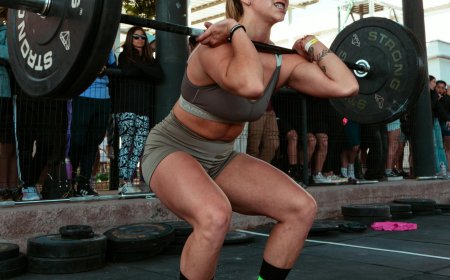
One of the biggest mistakes people make when trying to lose fat is avoiding strength training. While cardio burns calories, strength training helps shape the body and preserve muscle.
Benefits of strength training include:
Maintaining or building muscle mass
Improving metabolism
Enhancing insulin sensitivity
Creating a toned and defined appearance
You do not need to lift heavy weights to see benefits. Bodyweight exercises, resistance bands, or light dumbbells can be effective when done consistently.Training two to four times per week is enough for most people to see improvements.
Stay Active Without Overdoing Cardio
Cardio can support fat loss, but excessive cardio combined with low calories often leads to fatigue and burnout.
Instead of long, intense sessions every day, focus on:
Daily movement such as walking
Light physical activity throughout the day
Short, structured cardio sessions if you enjoy them
Simple habits like taking the stairs, walking after meals, or standing more during the day can significantly increase calorie expenditure without stressing the body.
Choose Foods That Keep You Full
You do not need to eat less food to lose fat you need to eat smarter food.Foods that are high in volume and fiber help you feel full while keeping calories reasonable. These include:
Vegetables
Fruits
Whole grains
Legumes
Potatoes and root vegetables
Replacing highly processed foods with whole foods allows you to eat satisfying portions without exceeding your calorie needs.This approach reduces feelings of deprivation and makes fat loss easier to maintain.
Sleep Plays a Bigger Role Than You Think
Sleep is often overlooked, but it has a major impact on fat loss. Poor sleep can increase hunger, reduce motivation, and affect how the body uses energy.
Lack of sleep may:
Increase appetite
Disrupt hormones related to hunger
Reduce exercise performance
Make cravings harder to control
Aim for 7 to 9 hours of quality sleep per night. Improving sleep alone can lead to better fat loss results without changing diet or exercise.
Manage Stress for Better Results
Chronic stress can make fat loss more difficult. When stress levels remain high, the body releases hormones that may encourage fat storage and increase emotional eating.
Helpful stress-management strategies include:
Walking or light exercise
Deep breathing or meditation
Journaling
Taking breaks from screens
Maintaining a consistent routine
Reducing stress does not require perfection small improvements can make a noticeable difference.
Track Progress Beyond the Scale
The scale does not tell the full story of fat loss. Weight can fluctuate due to water retention, hormones, and muscle gain.
Better ways to measure progress include:
Waist and hip measurements
Progress photos
How clothes fit
Strength improvements
Energy and mood levels
When calories are not extremely low, fat loss may appear slower, but it is often more consistent and lasting.
Be Consistent, Not Perfect
Fat loss is the result of repeated habits over time, not extreme actions for short periods. You do not need to follow a perfect plan every day to see results.Consistency matters more than intensity. Eating well most of the time, exercising regularly, and taking care of your body will produce better outcomes than strict dieting followed by burnout.
Allow flexibility in your routine so it fits your lifestyle.
Losing fat does not require extreme calorie restriction or constant hunger. In fact, eating too little can make the process harder and less sustainable.
A smarter approach focuses on:
A moderate calorie deficit
Adequate protein intake
Strength training
Daily movement
Quality sleep
Stress management
When these factors are in place, fat loss becomes more manageable and easier to maintain long term.
ALSO READ:Sleep and the Mind: How Quality Rest Shapes Mental Health and Emotional Resilience
The best fat loss plan is one you can follow consistently without sacrificing your health, energy, or enjoyment of life.