Why Flexibility Matters: A Simple Guide to Stretching for a Healthier Body
Improve your health with simple stretching. This guide explains the importance of flexibility and how daily stretches boost mobility, posture, and overall wellness.
 Rita Okeke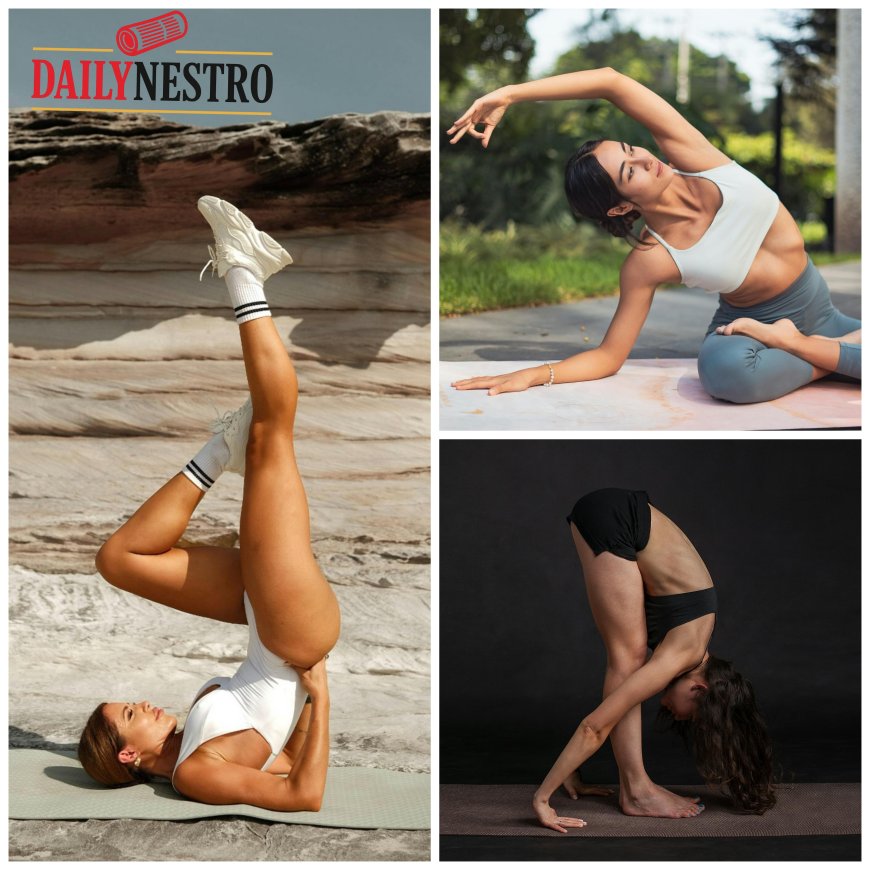
The Importance of Flexibility and Stretching: A Simple Guide to a Healthier Body
When we talk about fitness, most people think about running, lifting weights, or doing high-energy workouts. But there’s one part of fitness that many overlook flexibility. Being flexible isn’t just about touching your toes. It plays a major role in how your body feels every day. Whether you’re an athlete, a student, or someone with a busy work schedule, stretching can improve your overall well-being.
This article breaks down why flexibility matters, how stretching helps your body, and easy ways to make it part of your daily routine.
What Exactly Is Flexibility?
Flexibility is your body’s ability to move joints and muscles through their full range of motion. Good flexibility means your muscles can stretch without feeling tight or painful. As we grow older or stay inactive for long periods, our muscles naturally stiffen. This makes everyday tasks like bending, reaching, or even walking feel harder.Regular stretching keeps your body mobile, functional, and more comfortable.
Why Flexibility Is Essential for Everyone
1. It Helps Prevent Injuries
Tight muscles are more likely to strain or tear. When a muscle isn’t flexible, even simple movements can cause discomfort or injury. Stretching keeps your muscles warm, loose, and ready for activity, lowering the chances of accidents during workouts or daily tasks.
2. It Improves Posture
Many people spend hours sitting at desks, using phones, or looking at screens. This lifestyle creates tightness in the hips, back, and shoulders, which leads to poor posture. Stretching helps lengthen those tight muscles, allowing your body to return to its natural alignment.Better posture not only reduces pain but also boosts your confidence and energy levels.
3. It Reduces Stiffness and Body Pain
If you often feel stiff when you wake up or after sitting for a long time, stretching can make a huge difference. It increases blood flow to muscles, which helps them relax and recover. Many people who stretch regularly notice less lower back pain, fewer muscle knots, and easier movement throughout the day.
4. It Improves Workout Performance
Flexible muscles work better. When your body can move smoothly, you exercise with better form, reduce strain, and improve strength and endurance. Whether you lift weights, run, or play sports, flexibility can help you perform more efficiently.
5. It Helps Reduce Stress
Stretching doesn’t just relax your muscles—it calms your mind too. When you stretch, your body releases tension built up in the muscles from stress or long hours of work. Deep breathing during stretching also helps slow your heart rate and relax your nervous system.
Different Types of Stretching
To get the most out of flexibility training, it helps to understand the main types of stretching:
• Static Stretching
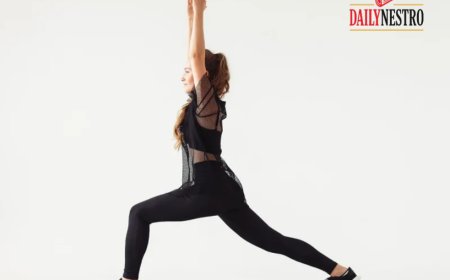
This involves holding a stretch for 15–30 seconds without moving. It’s best done after a workout to cool down and increase flexibility.
• Dynamic Stretching
These are gentle, controlled movements like arm circles or leg swings. Dynamic stretches warm up the muscles and are ideal before exercising.
• PNF Stretching
Often used by athletes or in physical therapy, this method involves contracting and relaxing muscles to build deeper flexibility.
How to Add Stretching Into Your Daily Routine
You don’t need an hour-long session to improve flexibility. A simple 10–15 minute routine can make a big difference if done consistently.
Here are easy ways to start:
Stretch after waking up to loosen morning stiffness.
Add a few static stretches after exercise or walking.
Focus on major areas like the hamstrings, hips, back, shoulders, and chest.
Breathe deeply to help your muscles relax.
Stay patient flexibility improves gradually with regular practice.The goal is progress, not perfection.
Then in conclusion,Flexibility and stretching are often underestimated, but they are an essential part of a healthy lifestyle. By improving posture, preventing injuries, reducing pain, and helping you move more comfortably, stretching supports your body in ways you may not notice until you start doing it regularly.
ALSO READ:Top Outdoor Fitness Trends Americans Are Embracing in 2025
Whether you’re trying to get fit, stay active, or simply feel better in your daily life, adding stretching to your routine is a simple and effective step. Start small, be consistent, and enjoy the benefits of a more flexible and relaxed body.