Exercise and Hydration Made Simple: How Much Movement You Need and Why Water Matters
Stay active and hydrated: practical tips on exercise routines, muscle strengthening, and proper water intake for a healthy lifestyle.
 Rita Okeke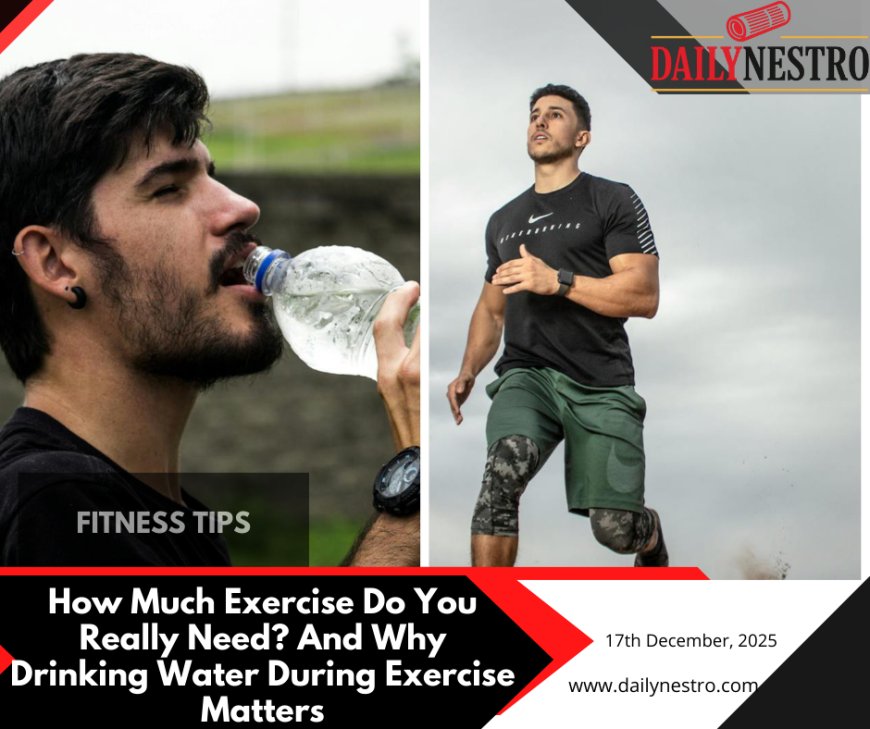
How Much Exercise Do You Really Need? And Why Drinking Water During Exercise Matters
Staying active is one of the simplest ways to improve overall health, yet many people are unsure about how much exercise they actually need. Some believe long hours in the gym are necessary, while others think occasional activity is enough. Along with exercise, proper hydration is often overlooked, even though it plays a major role in physical performance and recovery.
This article explains how much exercise you really need for a healthy lifestyle and highlights the importance of drinking water during exercise in a clear and practical way.
How Much Exercise Do You Really Need?
The amount of exercise a person needs depends on lifestyle, age, and personal goals. However, general health guidelines suggest that moderate and consistent physical activity is enough for most people to stay healthy.
Recommended Amount of Exercise
For adults, a healthy routine usually includes:
About 150 minutes of moderate physical activity per week, such as brisk walking or cycling
Or 75 minutes of more intense activity, such as running or fast-paced workouts
Muscle-strengthening exercises at least two days per week
This can be broken down into 30 minutes a day, five days a week, which is manageable for most people.
What Counts as Exercise?
Exercise does not have to mean heavy workouts or gym sessions. Many everyday activities count as physical exercise, including:
Walking at a steady pace
Climbing stairs
Household chores like cleaning or gardening
Playing sports or outdoor games
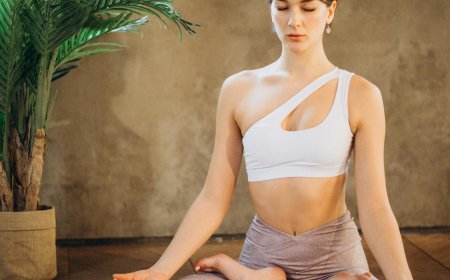
Yoga or stretching routines
The key is to move your body regularly rather than remaining inactive for long periods.
Exercise Based on Personal Goals
For General Health
If your goal is to stay active and maintain overall well-being:
30 minutes of moderate exercise most days
Light strength exercises twice a week
For Weight Management
Those aiming to manage weight may benefit from:
45–60 minutes of activity on most days
A combination of cardio and strength exercises
For Muscle Strength
To improve muscle tone and strength:
Strength training 3–4 times a week
Adequate rest between sessions
Why Rest Is Just as Important
Exercise helps the body grow stronger, but rest allows it to recover. Overworking the body without enough rest can lead to fatigue or injury. Taking at least one or two rest days per week and getting enough sleep supports long-term fitness and energy levels.
The Importance of Drinking Water During Exercise
Water plays a crucial role during physical activity. When you exercise, your body loses fluids through sweat. If this fluid is not replaced, it can affect performance and comfort.
How Water Helps During Exercise
Drinking water during exercise helps:
Regulate body temperature
Prevent dehydration
Support muscle function
Improve endurance and focus
Even mild dehydration can make you feel tired and reduce your ability to exercise effectively.
When and How Much Water Should You Drink?
Before Exercise:
Drink a glass of water about 30 minutes before starting your workout.
During Exercise
Take small sips of water every 15–20 minutes, especially during longer or more intense sessions.
After Exercise
Rehydrating after exercise helps replace lost fluids and supports recovery.The exact amount of water needed varies from person to person, depending on factors such as workout intensity, climate, and body size.
Signs You May Need More Water
Some common signs of dehydration include:
Dry mouth
Dizziness
Fatigue
Dark-colored urine
Paying attention to these signs can help you adjust your water intake.
Simple Tips to Stay Active and Hydrated
Choose physical activities you enjoy
Keep a reusable water bottle nearby
Exercise at cooler times of the day when possible
Listen to your body and avoid pushing too hard
Consistency and balance are more important than intensity.
ALSO READ:Why Flexibility Matters: A Simple Guide to Stretching for a Healthier Body
Finally,So, how much exercise do you really need? For most people, regular moderate activity combined with proper hydration is enough to support a healthy lifestyle. You don’t need extreme workouts or complicated routines. What matters most is staying active, drinking enough water, and maintaining habits you can follow long term.By combining movement with hydration, you give your body the support it needs to function at its best every day.