U.S. Senators Move to Reinstate AI Chip Export Curbs
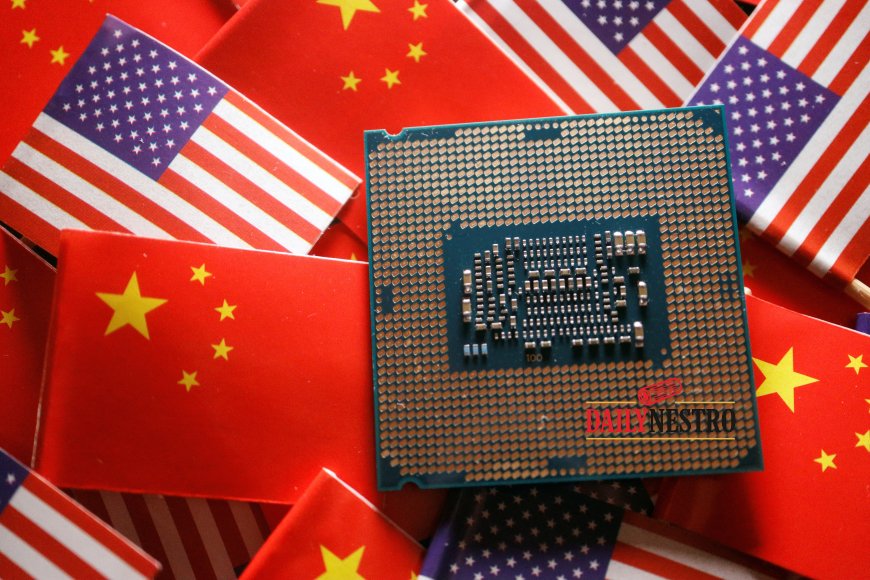
U.S. senators are pushing to reinstate AI chip export restrictions to China, reshaping global semiconductor supply chains and intensifying the geopolitical AI race. Here’s what this means for tech, markets, and innovation.
 Favour Oluoma Solomon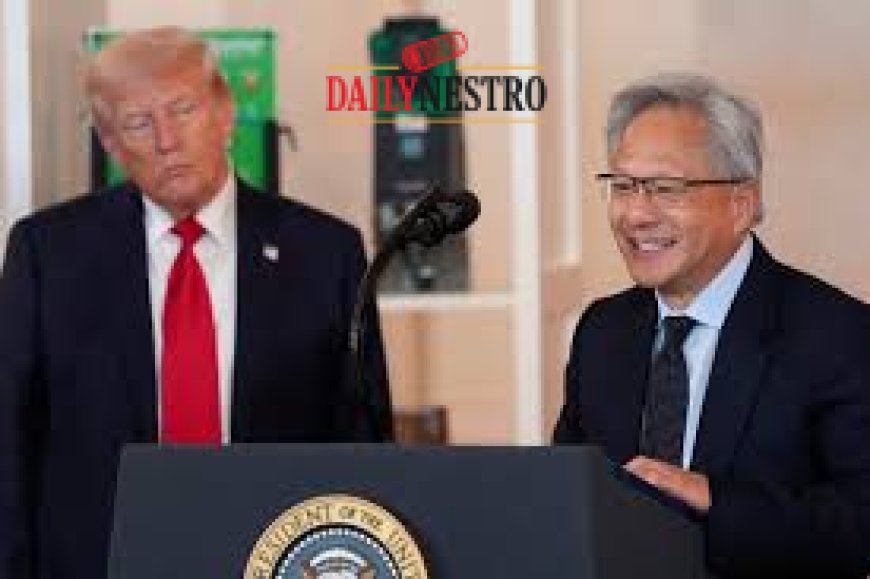
A major policy shift is underway in Washington as a bipartisan group of U.S. senators pushes to reinstate strict export controls on advanced AI chips sold to China. This move would reverse recent decisions that loosened restrictions and could reshape the global semiconductor landscape at a time when AI hardware demand is exploding.
According to a Reuters report, the proposal aims to re-tighten rules governing the sale of high-performance processors, the same chips powering breakthroughs in artificial intelligence, cloud computing, military technology, and next-generation robotics.
With the AI arms race intensifying, this development could have far-reaching consequences for supply chains, innovation cycles, and geopolitical relations.
Why the U.S. Wants to Reinstate the Restrictions
Lawmakers advocating the new bill argue that easing restrictions on AI chip exports poses strategic risks, enabling China to gain faster access to cutting-edge processing power. These chips, including GPUs, accelerators, and advanced SoCs, are essential for:
-
Training large AI models
-
Powering data centers
-
Developing autonomous systems
-
Enhancing defense technologies
For U.S. policymakers, allowing China to purchase such hardware freely may accelerate its technological advances in ways that challenge American national security and global competitiveness.
Global Supply Chain Impact: A Potential Shockwave
Reimposing curbs would have immediate ripple effects across the semiconductor ecosystem:
1. AI Hardware Shortages in Asia
China, the world’s largest semiconductor importer, would face renewed difficulty accessing premium chips from top U.S. manufacturers. This could constrain development for tech giants, startups, and research labs.
2. Rising Costs for AI Processors
Supply chain bottlenecks could drive prices higher, affecting global companies that rely on cost-effective chip production and assembly hubs in Asia.
3. Market Volatility for Chipmakers
Companies like Nvidia, AMD, and Intel, major suppliers of AI accelerators, may experience fluctuations in sales forecasts, stock performance, and product shipment strategies.
4. Increased Demand for Non-U.S. Alternatives
If U.S. restrictions tighten:
-
Chinese chipmakers may accelerate domestic R&D
-
Non-U.S. firms (especially in Europe and South Korea) may see higher demand
-
Collaborative tech alliances outside the U.S. could grow stronger
This could shift the power dynamics of the global semiconductor race.
Business, Investors, and Financial Markets
For global investors and businesses, this development signals heightened geopolitical risk in the tech sector.
✔ Tech Stocks Could Face Short-Term Volatility: Restrictions often trigger uncertainty around future revenues and supply capabilities, especially for AI chip manufacturers.
✔ Supply Chain Realignments Are Likely: Hardware companies may explore new manufacturing bases, new partnerships, or diversified supplier networks.
✔ AI Development Timelines May Slow: Companies relying on top-tier chips for training large AI models could experience delays, affecting innovation cycles in cloud services, autonomous transport, robotics, edge computing, and military and security tech
The AI Race Is Now Geopolitical
This move highlights how AI is no longer just a technological competition; it's a geopolitical battleground.
As countries fight to dominate the next era of computing, hardware control is becoming as important as software innovation. The proposed legislation signals that the U.S. intends to maintain a competitive edge by controlling access to world-leading AI processors.
For China, it may speed up efforts to achieve chip independence. For the world, it sets the stage for a new era of strategic competition in high-performance computing.
If reinstated, the AI chip export restrictions could reshape everything from global investment trends to tech innovation and geopolitical stability. As the AI hardware race accelerates into 2026, the world may see deeper supply chain fragmentation, sharper competition, and rapid acceleration of domestic chip development across emerging tech powers. This is a developing story, and one that will define the future of AI.