EU Tightens Grip on Big Tech: €120 Million Fine on X Marks a New Era of Global Tech Regulation
The European Union has fined X (formerly Twitter) €120 million under the Digital Services Act, signaling tougher global regulation for Big Tech. Explore how this landmark enforcement reshapes digital governance, increases compliance pressure, and sets new global standards for platform accountability.
 Favour Oluoma Solomon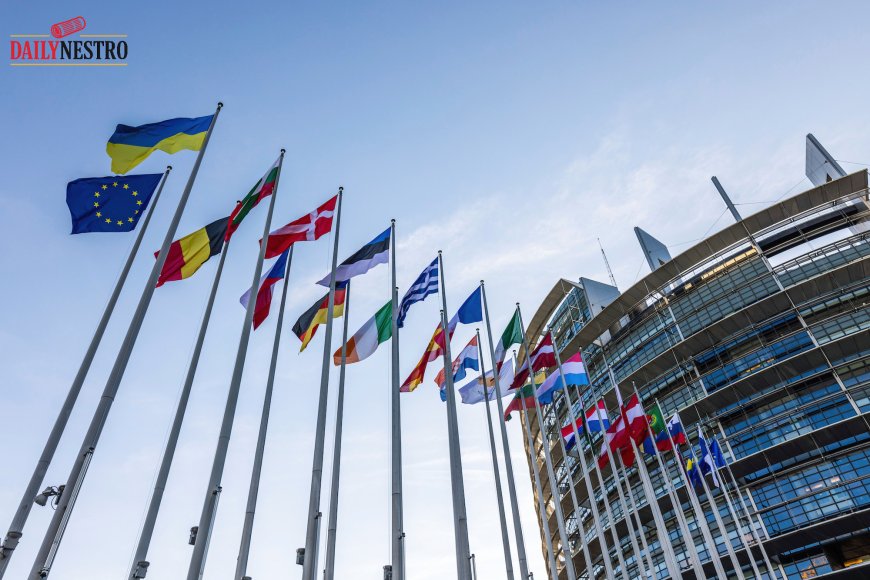
The European Union has once again demonstrated its uncompromising approach to regulating digital markets. In a move that reverberated across Silicon Valley and beyond, the EU imposed a €120 million fine on X (formerly Twitter) under the Digital Services Act (DSA), a sweeping legal framework designed to hold large online platforms accountable for how they handle user content, misinformation, and system transparency. The fine, reported by Reuters, underscores Europe’s mounting resolve to bring Big Tech to heel, and it signals a turning point in the future of tech governance.
Over the past decade, the EU has emerged as the most aggressive global regulator of digital platforms. From antitrust actions against Google to privacy crackdowns under the GDPR and now algorithmic oversight through the DSA, Europe is reshaping the rules of the digital world. This latest fine against X is more than just a penalty; it is a message: No platform is above regulatory scrutiny, no matter how influential.
Why the EU Targeted X and Why It Matters
Since its rebranding, X has been at the center of global debates around misinformation, content moderation, and operational transparency. European regulators argue that the platform repeatedly failed to meet critical requirements under the DSA, which mandates strict standards for platforms designated as Very Large Online Platforms (VLOPs). These standards include:
-
Rapid removal of illegal or harmful content
-
Transparent reporting of moderation processes
-
Clear access to data for regulators and vetted researchers
-
Risk assessments to evaluate systemic impact on society
The €120 million penalty indicates that X allegedly fell short in multiple areas, particularly around misinformation control and transparency obligations. For the EU, this isn’t simply about punishing one company. It is about setting a global precedent: if platforms fail to mitigate digital risks, regulators will intervene decisively.
The DSA: Europe’s Most Powerful Digital Weapon Yet
To understand the significance of this fine, it’s necessary to consider how ambitious the Digital Services Act truly is. The DSA is not just another regulatory rulebook. It is a complete re-engineering of how major platforms are expected to operate in democratic societies.
Key provisions include:
-
Algorithmic accountability: Platforms must explain how their recommendation systems work.
-
Mandatory content governance: Failing to remove harmful content quickly can incur heavy penalties.
-
Stricter advertising rules: Users must be informed when ads are targeted based on personal data.
-
Fines up to 6% of global annual turnover for non-compliance.
Against that backdrop, the €120 million fine may be only the beginning. With deeper audits underway for multiple platforms, the EU is gearing up for long-term, systemic enforcement, not one-off punishments.
Global Ripple Effects: Why U.S. Tech Giants Are Worried
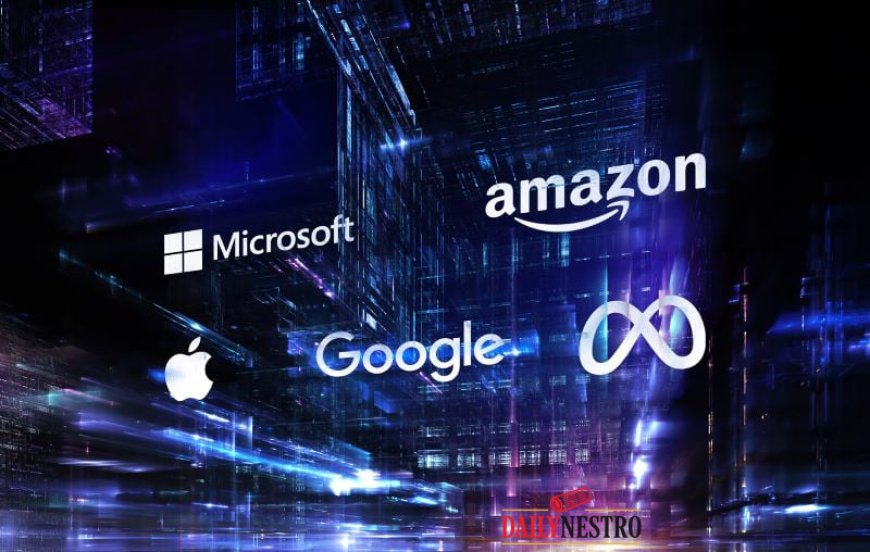
Although the fine directly affects X, it has triggered broader concerns across the global tech landscape. U.S. tech giants Meta, Amazon, Google, and Apple have already undergone multiple inquiries under Europe’s regulatory framework. The latest enforcement action signals a new phase: the era of soft warnings is over; the era of hard penalties has begun.
The implications of this shift include:
1. Compliance Costs Will Rise Dramatically
Tech firms will need to invest heavily in new systems for content moderation, algorithmic transparency, and real-time compliance responses. Even minor failures could lead to multimillion-euro fines.
2. Europe Is Setting the Global Standard
Whether intentionally or not, the EU is shaping international digital governance. Other countries, including the UK, Australia, Canada, and even parts of the United States, are observing Europe’s model closely. When the EU moves, global regulators pay attention.
3. Platform Behavior May Change Worldwide
It is inefficient for global companies to operate differently across regions. As a result, stricter European rules could influence platform behavior globally, leading to more uniform risk assessments, reporting, and moderation practices.
4. Tech Giants May Challenge EU Power
Companies like Meta and X may push back legally or politically, arguing that the EU’s regulatory framework is overly intrusive or stifles innovation. However, such challenges have historically failed to overturn the bloc’s determinations.
Why This Moment Marks a Turning Point
The €120 million fine is not merely a dispute between a regulator and a platform. It represents a shift in the balance of power between democratic institutions and technology companies whose platforms influence politics, security, and public discourse.
Globally, governments are grappling with questions such as
-
How much influence should tech companies have over the spread of information?
-
Should regulators have access to algorithmic data?
-
Who holds the final authority over online speech and platform governance?
The EU’s answer is clear: public interest must take precedence over platform autonomy. This stands in contrast to the United States, where digital regulation is fragmented and politically contentious.
As Europe solidifies its position as a leader in tech regulation, Big Tech may find itself navigating a more challenging and less permissive global environment.
What Comes Next for X and Other Platforms
For X, the immediate consequence is financial. But the long-term impact may be operational. The company will likely face:
-
Increased monitoring from EU authorities
-
More frequent compliance audits
-
Mandatory changes to content moderation systems
-
Heightened public and political scrutiny
Meanwhile, other platforms are now on notice. If a company as large and influential as X can incur a nine-figure penalty, no platform is exempt.
The Future of Digital Governance Is Being Written in Europe
The EU’s €120 million fine on X signals a new chapter in the global struggle to control the power of digital platforms. With the Digital Services Act now fully active and regulators empowered with unprecedented authority, Europe is reshaping how technology companies operate, not just within its borders but across the world.
This enforcement action serves as a warning and a roadmap. It tells Big Tech that the era of self-regulation is over, and the era of accountability has arrived. As other governments watch Europe’s bold moves, the global digital landscape is poised for a profound transformation.