The Importance of Preventive Healthcare and Regular Checkups
Preventive healthcare and regular checkups help detect health issues early, support mental well-being, reduce long-term costs, and promote a healthier, proactive lifestyle.
 Rita Okeke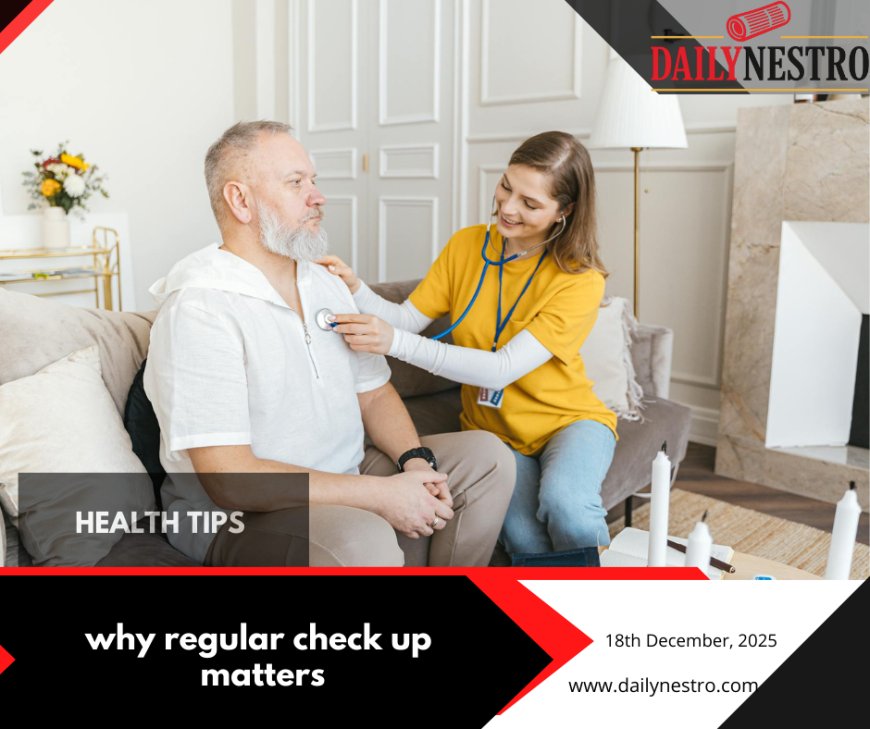
Preventive Healthcare: Why Regular Checkups Matter More Than You Think
Many people only visit a doctor when something feels wrong. While this is common, it is not the best way to maintain long-term health. Preventive healthcare focuses on staying healthy rather than treating illness after it appears. One of the simplest and most effective parts of preventive care is getting regular health checkups.
Preventive healthcare helps identify potential health problems early, often before symptoms appear. Conditions such as high blood pressure, diabetes, and heart-related issues can develop slowly and quietly. Without routine screenings, these problems may go unnoticed for years. Regular checkups allow healthcare professionals to spot warning signs early and recommend lifestyle changes or further evaluation if needed.
Early Detection Leads to Better Health Outcomes
Early detection is one of the biggest advantages of regular health checkups. When health issues are identified early, they are usually easier to manage. Early care often involves simple steps such as improving diet, increasing physical activity, or reducing stress. These small changes can make a big difference over time and help prevent more serious complications later.Regular screenings also help monitor existing conditions. For individuals already managing health concerns, routine checkups ensure that treatments remain effective and adjustments can be made when necessary. This ongoing monitoring supports long-term wellness and peace of mind.
Personalized Guidance for a Healthier Lifestyle
Another important benefit of preventive healthcare is personalized advice. During routine visits, healthcare providers consider factors such as age, family history, daily habits, and overall lifestyle. Based on this information, they can offer practical recommendations tailored to individual needs.This may include guidance on nutrition, physical activity, sleep habits, and stress management. Rather than following generic health advice, individuals receive suggestions that fit their specific situation. This personalized approach makes healthy living more achievable and sustainable in everyday life.
Supporting Mental and Emotional Well-Being
Preventive healthcare is not limited to physical health. Regular checkups also create space to discuss mental and emotional well-being. Topics such as stress, anxiety, sleep quality, and emotional balance are important parts of overall health.Talking openly with a healthcare provider during routine visits can help individuals recognize early signs of mental strain and seek support when needed. Addressing mental well-being as part of preventive care encourages a more balanced and holistic approach to health.
Preventive Care Can Reduce Long-Term Healthcare Costs
While some people avoid regular checkups due to cost concerns, preventive healthcare can actually save money in the long run. Treating advanced illnesses often requires more complex and expensive medical care. In contrast, early detection and prevention usually involve simpler and more affordable steps.By investing in routine health screenings and checkups, individuals may reduce the risk of unexpected medical expenses in the future. Preventive care helps avoid emergency situations and supports better financial planning related to health.
Building a Proactive Approach to Health
Preventive healthcare encourages people to take an active role in their well-being. Instead of reacting to illness, individuals focus on maintaining good health through regular monitoring and healthy habits. This proactive mindset supports long-term wellness and improves quality of life.
Making regular checkups a priority does not require major lifestyle changes. Scheduling routine visits, following basic health recommendations, and staying informed are simple steps that can have lasting benefits.
ALSO READ:How High Blood Pressure Causes Stroke: A Clear Look at the Biological Mechanism
Then in conclusion,Preventive healthcare and regular checkups play a vital role in maintaining overall health and well-being. They support early detection, personalized lifestyle guidance, mental wellness, and long-term cost savings. By choosing prevention over reaction, individuals can protect their health, reduce future risks, and enjoy a healthier, more balanced life.