The Hidden Danger of Acetaminophen: How Over use Can Lead to Liver Damage
Acetaminophen overdose is a leading cause of acute liver failure. Understand how misuse happens and how to use this common medication safely.
 Rita Okeke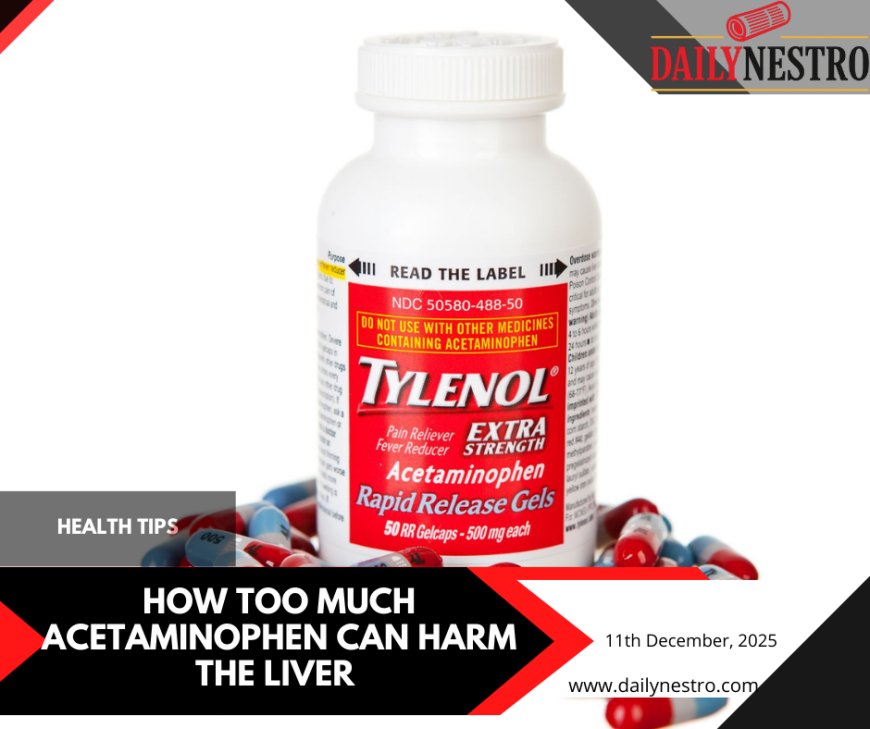
How Too Much Acetaminophen Can Harm the Liver: A Growing Health Concern in the United States
Acetaminophen often recognized under brand names like Tylenol is one of the most commonly used pain and fever medications in the United States. It’s found in hundreds of everyday products, from headache relievers to cold and flu medications. Many people reach for it without thinking twice, assuming that an over-the-counter medicine is automatically safe.
But what many Americans don’t realize is this: taking too much acetaminophen is one of the leading causes of acute liver failure in the U.S. This makes excessive intake an important public health issue that deserves more awareness.
Why Americans Often Take Too Much Acetaminophen
One of the main reasons acetaminophen misuse is so common is its widespread availability. You can find it in almost every household, workplace, and store. Because it’s so familiar, many people underestimate its risks.
According to FDA "Don’t exceed the daily limit For most adults, the maximum recommended total dose in one day is 4,000 mg from all sources combined. Going over this can lead to severe liver damage."
Another major problem is accidental double dosing.
This happens when someone takes two or more medications that contain acetaminophen without realizing it. For example, a person might take Tylenol for pain and also take a cold and flu medicine both of which contain acetaminophen. Since the ingredients aren’t always obvious, many people go over the safe daily limit without meaning to.Lifestyle factors also play a role. People who deal with frequent headaches, chronic pain, or seasonal illnesses may take acetaminophen repeatedly throughout the day, assuming that slightly higher doses won’t cause harm. Unfortunately, this can add up quickly and overwhelm the liver.
How Excessive Acetaminophen Damages the Liver
The liver is responsible for processing acetaminophen. In recommended doses, the liver breaks it down safely and the body gets rid of it without any problem.However, when someone takes too much, the liver becomes overloaded and starts producing a harmful substance called NAPQI. In small amounts, the liver can neutralize NAPQI. But in high amounts, it builds up and begins to damage liver cells.
Too much acetaminophen can cause:
Serious inflammation of the liver
Acute liver failure
Long-term scarring or permanent liver damage
The need for a liver transplant
In severe cases, death
According to Healthline "These symptoms may not appear immediately they can be delayed, which is why even if you don’t feel sick right away, you should still seek help if you suspect an overdose."
One of the most dangerous aspects is that symptoms don’t always appear right away. Early signs such as nausea, fatigue, and stomach discomfort can easily be mistaken for a simple illness. Many people don’t realize the seriousness of the situation until the damage is advanced.
Who Is Most at Risk?
While anyone can take too much acetaminophen, some people face a higher risk, including:
1. People who take multiple medications
Cold and flu products, sleep aids, pain relievers, and some prescription drugs may all contain acetaminophen. Without checking ingredients, it’s easy to overdose accidentally.
2. Individuals with chronic pain
People who rely on acetaminophen daily for headaches, back pain, or other conditions may take more than recommended over time.
3. Regular alcohol drinkers
Alcohol puts stress on the liver, making it more vulnerable to damage. Taking acetaminophen while drinking or after heavy drinking can be especially dangerous.
4. Those with liver disease
Even normal doses can be risky for individuals with pre-existing liver conditions.
5. Teens and young adults
Younger people may be more likely to take extra doses hoping for faster relief, not realizing the danger.
A Preventable but Persistent Health Problem
Despite repeated warnings from doctors, pharmacists, and public health officials, acetaminophen-related liver damage continues to be a major concern in the United States. The main issue is not that the medication is unsafe it is very effective when used correctly. The problem is lack of awareness.
Many people simply don’t:
Read medication labels
Know that different medicines can contain the same ingredient
Understand the safe daily limit
Realize how easy it is to take too much
The good news is that acetaminophen misuse is 100% preventable with the right knowledge and habits.
How to Use Acetaminophen Safely
Here are simple steps to reduce the risk of liver damage:
1. Follow the recommended daily limit
Most adults should not exceed 3,000 to 4,000 mg per day, depending on the product instructions. Taking even a little more than this for several days can be harmful.
2. Always check medication labels
Look for “acetaminophen” or “APAP.”
If two products both contain it, don’t take them together.
3. Avoid mixing alcohol and acetaminophen
Drinking alcohol increases the risk of liver damage.
4. Do not use it for long periods without medical guidance
If you need pain relief every day, speak with a healthcare professional about safer long-term options.
5. Be cautious with children’s doses
Never guess a child’s dose. Use the measuring device provided and follow the instructions carefully.Acetaminophen is a helpful and reliable medication when used properly. Millions of Americans depend on it for pain relief and fever reduction. However, excessive intake whether intentional or accidental remains a serious health concern in the United States.
ALSO READ:
Finally,By reading labels, following dosage instructions, and understanding the risks, people can protect their liver and use acetaminophen safely. Awareness is the key to preventing avoidable liver damage and ensuring that this commonly used medication remains a safe option for everyone.