Pregnancy Nutrition Tips: Safe and Healthy Foods Every Expecting Mom Should Know
This article explains the essential foods every pregnant woman should include in her diet and the foods she should avoid to support a healthy pregnancy. It covers key nutrients like protein, iron, folate, calcium, and healthy fats, along with safe hydration habits.
 Rita Okeke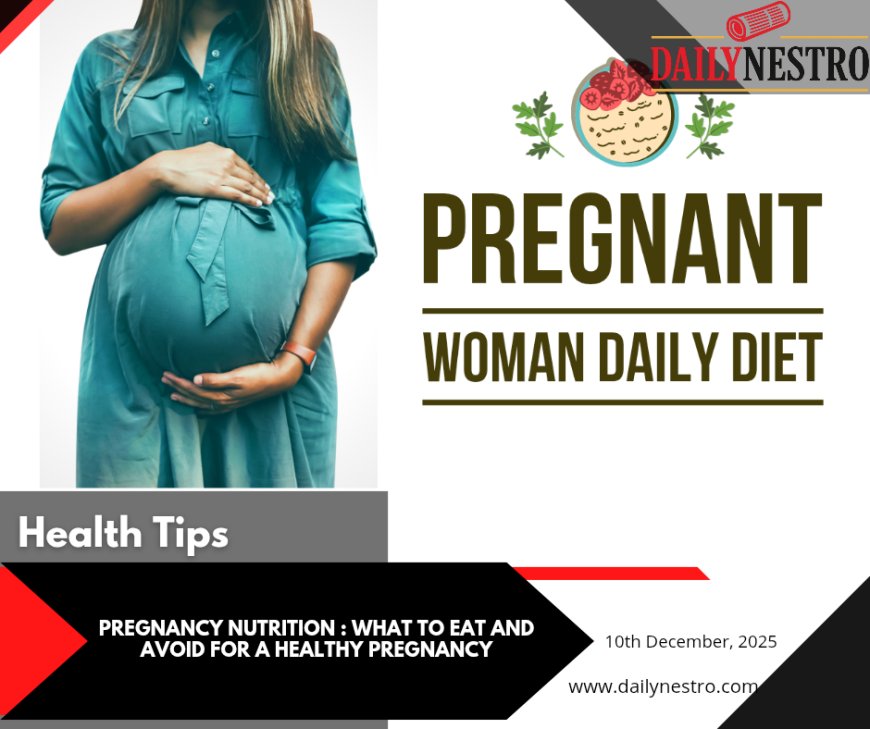
Pregnancy Nutrition: What to Eat and Avoid for a Healthy Pregnancy
Eating well during pregnancy is one of the most valuable things you can do for yourself and your growing baby. Your body is working harder than ever, and the foods you choose now directly support your baby’s development from brain growth to strong bones and a healthy immune system.
If you’re unsure what to eat or avoid, this guide breaks it down in a simple and practical way.
Why Good Nutrition Matters During Pregnancy
During pregnancy, your body needs more vitamins, minerals, and overall energy. Even though you’re not literally “eating for two,” you are nourishing two bodies at once. A healthy diet can help:
Support your baby’s brain and organ development
Reduce the risk of birth complications
Improve your energy levels
Keep your immune system strong
Promote healthy, steady weight gain
Reduce common pregnancy symptoms like fatigue and constipation
Making good food choices now sets a strong foundation for your baby’s long-term health.
Best Foods to Eat During Pregnancy
1. High-Protein Foods
Protein plays a key role in building your baby’s tissues and helps your own body support the pregnancy.
Good choices include:
Eggs
Chicken and turkey
Beans and lentils
Nuts and seeds
Tofu and other soy products
Low-mercury fish
Aim to include some protein in every meal for stable energy and healthy fetal growth.
2. Iron-Rich Foods
Iron helps prevent anemia, a common condition during pregnancy. Your blood volume increases, so you need more iron to support oxygen flow for you and your baby.
Healthy sources:
Leafy greens like spinach
Lean red meat
Beans
Iron-fortified cereals
Pumpkin seeds
Pair iron-rich foods with vitamin C sources (like oranges or tomatoes) to improve absorption.
3. Folate and Folic Acid
Folate is essential before and during pregnancy because it helps prevent neural tube defects, especially in the early weeks.
Food sources include:
Leafy green vegetables
Citrus fruits
Avocados
Beans
Fortified grains
Most doctors recommend a prenatal vitamin with folic acid for extra support.
4. Calcium-Rich Foods
Calcium helps build your baby’s bones, teeth, heart, and nerves. If you don’t get enough calcium, your body will pull it from your bones so it’s important to meet your needs daily.
Great sources:
Milk, yogurt, and cheese
Almonds
Broccoli and kale
Fortified plant-based milks
Try to get at least two to three servings of calcium-rich foods each day.
5. Whole Grains
Whole grains provide fiber, B-vitamins, and slow-release energy that keeps you full longer.
Examples include:
Brown rice
Oats
Whole-wheat bread
Quinoa
Barley
They are also great for preventing constipation, which is common during pregnancy.
6. Healthy Fats
Healthy fats help support your baby’s brain and nervous system.
Choose fats from:
Avocados
Olive oil
Nuts and seeds
Salmon and other low-mercury fish
Omega-3 fatty acids are especially important for brain development.
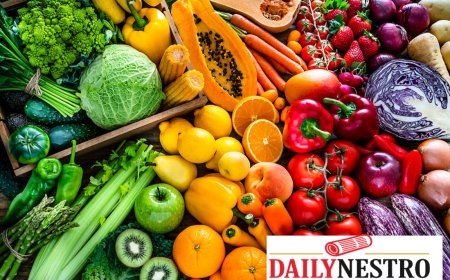
7. Fruits and Vegetables
Aim to fill half your plate with colorful fruits and vegetables. They are rich in vitamins, minerals, antioxidants, and water.
Benefits include:
Better digestion
Stronger immunity
Reduced inflammation
Healthy weight management
8. Plenty of Water
Hydration is crucially during pregnancy. Water helps form amniotic fluid, supports blood flow, and helps prevent swelling and constipation.
Try to drink 8–10 glasses daily and more if it’s hot or you’re active.
Foods and Drinks to Avoid During Pregnancy
1. High-Mercury Fish
Mercury can affect your baby’s developing brain and nervous system.
Avoid fish such as:
Shark
Swordfish
King mackerel
Tilefish
Choose low-mercury options like salmon, tilapia, and sardines instead.
2. Raw or Undercooked Meat, Eggs, and Seafood
These foods may carry bacteria or parasites that can cause serious infections during pregnancy.
Avoid:
Raw sushi
Rare or undercooked meat
Raw or runny eggs
Raw shellfish
Always cook foods thoroughly to a safe temperature.
3. Unpasteurized Dairy and Juices
Unpasteurized products may contain harmful bacteria like Listeria, which can be dangerous during pregnancy.
Avoid:
Unpasteurized milk
Soft cheeses made with raw milk
Fresh unpasteurized juice
Stick to pasteurized products to stay safe.
4. Certain Deli Meats
Cold deli meats can carry bacteria unless they are reheated.If you want to eat deli meats, warm them until they’re steaming hot.
5. Alcohol
There is no safe amount of alcohol during pregnancy. It can affect your baby’s development and lead to serious complications.
6. Too Much Caffeine
High caffeine levels have been linked to low birth weight.The safe limit is about 200 mg per day, roughly one 12-ounce cup of coffee.
7. Processed and Junk Foods
Cravings are normal, but processed foods lack nutritional value and can contribute to excessive weight gain.
Try to limit:
Chips and sweets
Fast food
Sugary drinks
Packaged snacks
Choose whole, fresh foods whenever possible.
Simple Tips for Healthy Pregnancy Eating
Eat small, frequent meals to help with nausea or heartburn.
Keep healthy snacks like nuts, fruit, or yogurt within reach.
Take prenatal vitamins as recommended by your healthcare provider.
Listen to your body’s hunger cues.
Focus on balance rather than perfection.
Finally,Good nutrition is one of the most powerful ways to support a healthy pregnancy. By choosing nutrient-rich foods, staying hydrated, and avoiding harmful ingredients, you help your baby grow strong while also protecting your own health.
Remember, every pregnancy is unique. If you have specific dietary needs or concerns, always speak with your doctor or a registered dietitian for personalized guidance.