Indian Rupee Falls Below 90 per Dollar: What the Slide Means for Emerging Markets and Global Investors
The Indian rupee falls past 90/USD amid capital outflows and global volatility. Explore how this currency slide impacts emerging markets, investors, and global trade.
 Favour Oluoma Solomon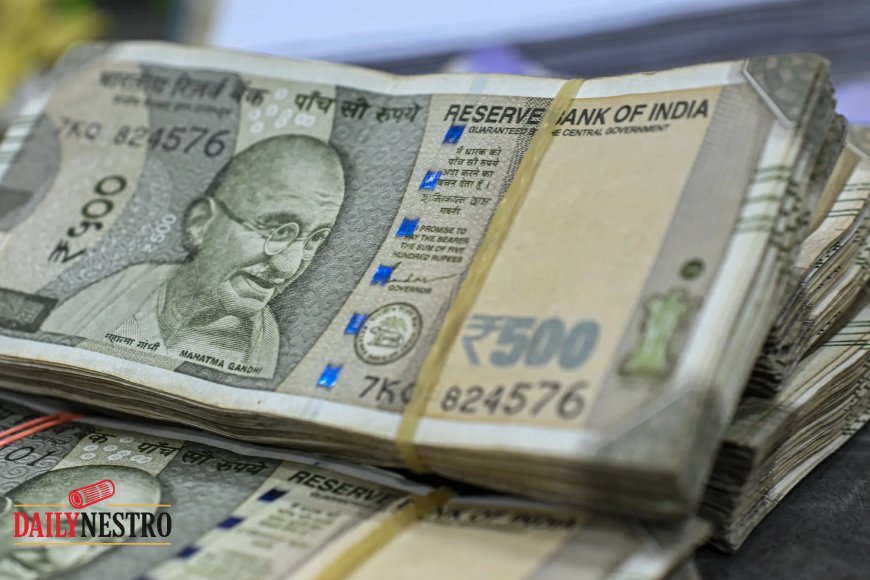
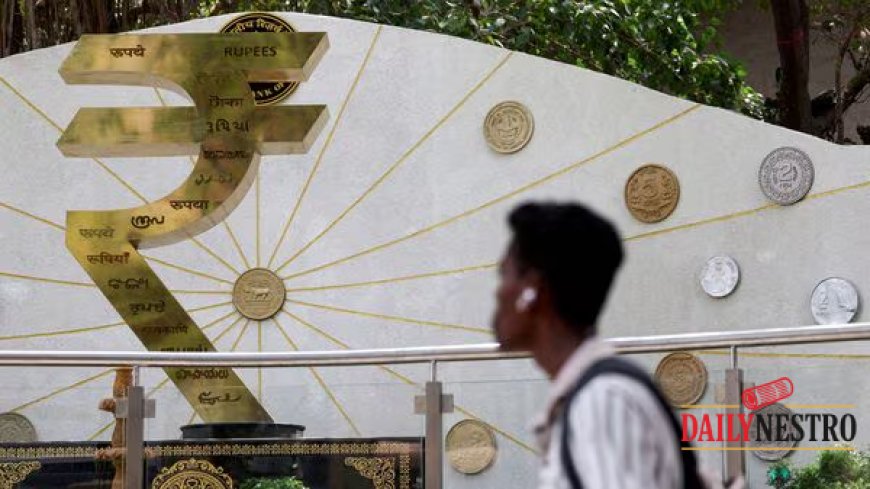
The Indian rupee has officially slipped past the critical ₹90 per US dollar level, a psychological and financial threshold that is now raising concerns across global markets. According to multiple Reuters reports, the currency’s depreciation is being driven by persistent capital outflows, renewed strength in the U.S. dollar, and the absence of progress on a new trade agreement.
For the world’s fifth-largest economy, this currency movement carries far-reaching consequences. But beyond India, it also reflects a deeper fragility running through emerging-market currencies, a trend global investors can no longer ignore.
Why the Rupee is Falling: The Key Drivers Behind the Weakness
1. Persistent Capital Outflows
Foreign institutional investors (FIIs) have been steadily exiting Indian equities and bonds, seeking higher yields and safer assets as global interest rate expectations shift. With the U.S. Federal Reserve taking a cautious stance on rate cuts, capital has flowed back to the dollar, leaving emerging-market currencies under pressure.
2. No New Trade Agreement in Sight
Negotiations for a broad-based trade agreement, expected to increase foreign investment flows, have stalled. Without the confidence boost that such an agreement typically provides, the rupee remains exposed to global market swings.
3. Stronger U.S. Dollar and Global Risk-Off Sentiment
Whenever investors become nervous about global growth, geopolitical tensions, or slower manufacturing cycles, they tend to flock to the dollar. This “flight to safety” makes currencies like the rupee fall faster than others with deeper liquidity pools.
4. Import-Heavy Economy Under Strain
India relies heavily on imported crude oil, electronics, and industrial components. A weaker rupee automatically raises import costs, putting more pressure on domestic prices and widening the trade deficit.
How the Rupee’s Decline Impacts Businesses and Investors
The effects of crossing the ₹90/USD line extend far beyond currency charts. Here is what’s at stake:
Foreign Investors Face Rising Currency Risk
For global investors holding Indian assets, returns shrink when the local currency depreciates. Even if stock or bond prices rise, conversion back to dollars, euros, or pounds often results in lower real returns.
This dynamic may discourage long-term institutional investment unless hedging strategies are implemented, which can be costly.
Import-Heavy Companies Take a Hit
Industries dependent on imported raw materials, such as oil refiners, electronics manufacturers, aviation, and pharmaceuticals, will feel the pressure of rising costs. Higher costs may translate into:
-
More expensive consumer goods
-
Margin squeezes for companies
-
Increased need for corporate hedging
Debt Servicing Becomes More Expensive
Many Indian corporations borrow in U.S. dollars because the interest rates are lower. With the rupee weakening, these companies must spend more rupees to service the same dollar-denominated debt, increasing financial stress.
Inflation Risks Rise Again
Higher import prices, especially for energy, can fuel inflation, and that limits the central bank’s ability to cut interest rates. Emerging markets need rate cuts for growth, but currency weakness often forces them to hold or even raise rates to defend the currency.
What This Means for the Broader Emerging-Market Landscape
India is not alone. Across Asia, Africa, and Latin America, several emerging-market currencies have been under pressure due to:
-
High global borrowing costs
-
Weak exports and manufacturing
-
Geopolitical trade realignments
-
Dollar strength
-
Foreign investor caution
The rupee's fall below 90 may serve as a signal that other economies could face similar currency risks — especially those with heavy import dependency or high foreign-currency debt exposure.
For global investors, this spells heightened volatility, but also potential opportunities in:
-
Undervalued equities
-
High-yield emerging-market bonds
-
Commodity-linked assets
-
Export-driven industries
Looking Ahead: Is the Rupee Likely to Recover?
Market analysts remain cautious. The path to recovery depends on several factors:
-
Whether foreign investor confidence returns
-
Progress on trade agreements
-
Oil price stability
-
India’s central bank interventions
-
Global interest-rate outlooks
-
Domestic inflation trajectory
If global conditions stabilize and capital inflows resume, the rupee may strengthen. But if volatility continues, more downward pressure is possible.
A Warning Sign for Emerging Markets Everywhere
The rupee slipping beyond 90 per dollar is more than a currency story; it’s a reflection of the shifting global financial landscape. With geopolitical uncertainty, slowing global trade, and persistent inflation concerns, emerging markets face a delicate balancing act.
For investors, this period demands strategic positioning, careful risk assessment, and attention to macroeconomic signals. For businesses, currency volatility must now be part of everyday planning.
The rupee’s fall isn’t just India’s problem; it’s a sign of what the world’s developing economies could face if global financial pressure persists.